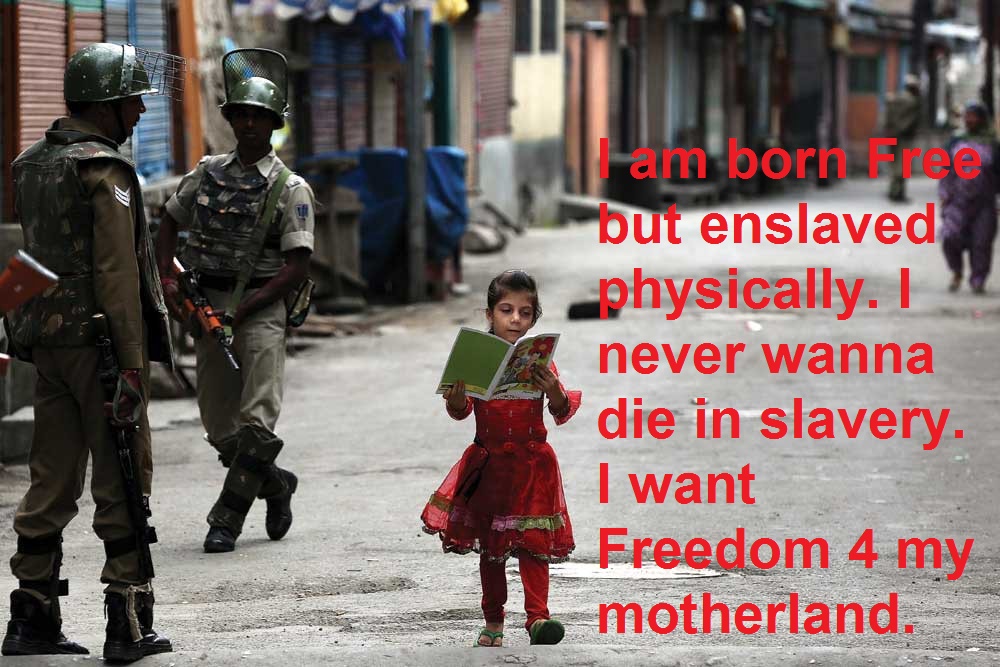
For decades, Indian-administered Jammu and Kashmir (IIOJK) has remained one of the most militarized regions in the world. Indian authorities maintain that the heavy deployment of forces and extraordinary security laws are necessary to counter militancy and ensure national security. However, for millions of Kashmiris living under these measures, daily life tells a very different story—one marked by surveillance, arbitrary arrests, custodial violence, and a persistent denial of political rights.
This investigative blog examines what Indian forces are doing in Kashmir under the banner of “security”, how these actions affect ordinary civilians, and why Kashmiri people continue to demand the implementation of United Nations resolutions guaranteeing the right of self-determination.
The Security Framework: Laws That Enable Excessive Force
Indian forces in Kashmir operate under special legal protections, most notably:
These laws grant sweeping powers, including:
Human rights observers argue that such laws create an environment where abuse goes unchecked and accountability is virtually absent.
Human Rights Violations in IIOJK: The Figures That Tell the Story
Below are figures cited by Kashmiri human rights groups documenting alleged violations committed in Indian-administered Kashmir. These numbers are presented to highlight the scale of civilian suffering over time.
HR Violations in IIOJK – January 2026
From January 1989 to December 2025
Total Killings: 96,483
Custodial / Fake Encounter Killings: 7,411
Civilians Arrested: 180,080
Structures / Houses Destroyed or Damaged: 110,562
Women Widowed: 22,991
Children Orphaned: 108,007
Women Gang-Raped / Molested: 11,269
Since August 5, 2019
(The date India revoked Articles 370 and 35A, removing Kashmir’s special status)
Total Killings: 1,050
Custodial / Fake Encounter Killings: 287
Tortured / Critically Injured: 2,660
Arrested: 33,141
Arson (Houses, Shops, etc.): 1,168
Women Widowed: 83
Children Orphaned: 232
Women Gang-Raped / Molested: 139
These figures, repeatedly highlighted by rights advocates, suggest that “security operations” have disproportionately impacted civilians rather than addressing political grievances.
Life Under Constant Surveillance
In many parts of Kashmir, daily life unfolds under:
Military checkpoints every few kilometers
Night raids on homes
Internet shutdowns and communication blackouts
Fear of detention for political expression
Journalists, students, activists, and even minors have been detained for social media posts or peaceful protests. Critics argue this represents collective punishment, not security enforcement.
Kashmiris and the Demand for UN-Mandated Self-Determination
At the heart of the conflict lies an unresolved political promise. The United Nations Security Council resolutions on Kashmir affirm that the people of Jammu and Kashmir should be allowed to decide their future through a free and impartial plebiscite.
Kashmiris argue that:
India’s continued military control violates these resolutions
Constitutional changes made in August 2019 were imposed without local consent
Genuine peace is impossible without addressing the right of self-determination
For many Kashmiris, resistance is not about violence—it is about political voice, dignity, and international law.
International Silence and the Accountability Gap
Despite repeated reports by international human rights organizations, global response has largely remained muted. Strategic interests, economic ties, and geopolitical alliances often overshadow the humanitarian crisis unfolding in Kashmir.
This silence, activists argue, emboldens further abuses and leaves victims without justice.
Conclusion: Security Cannot Come at the Cost of Humanity
True security cannot be built on fear, mass detentions, or the erosion of basic rights. The situation in Indian-administered Kashmir raises urgent questions about the balance between national security and human dignity.
Without:
Accountability for alleged abuses
Repeal or reform of draconian laws
Meaningful political dialogue
Implementation of UN resolutions
the cycle of suffering is likely to continue.
For Kashmiris, the demand is simple yet profound: the right to decide their own future—a right promised but still unfulfilled.